Tag: roof

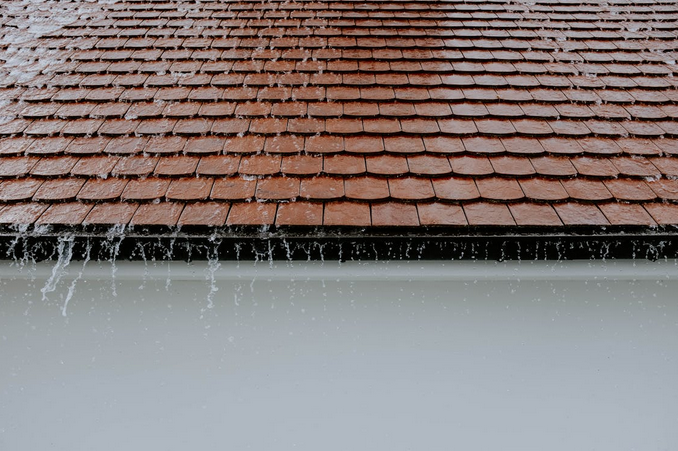
rain
Home

Essential Tips to Prepare Your Roof for Extreme Weather Events

As the saying goes, “An ounce of prevention is worth a pound of cure,” when it comes to your home, this couldn’t be more true—especially for that often-overlooked guardian above your head: your roof. With extreme weather events becoming increasingly common, from fierce storms to unexpected heat waves, ensuring that your roof is prepared can save you headaches (and money) down the line. Whether you’re a seasoned homeowner or new to the game, our essential tips will help fortify your roof against whatever Mother Nature has in store.

Schedule a Professional Roof Inspection
inspection

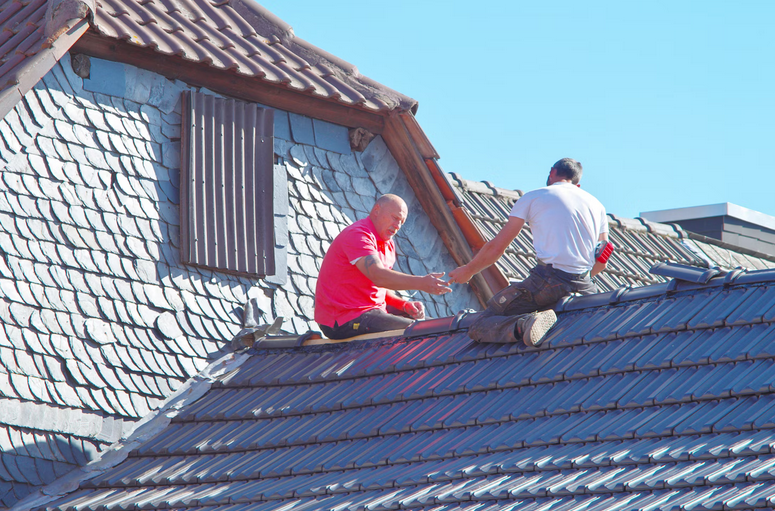
Before bad weather hits, scheduling a roof inspection with a professional is the best place to start. A roofing expert can assess the overall condition of your roof and identify any weak spots, damage, or wear and tear that could worsen in extreme weather. Sources like the acculynx website offer more details on businesses that provide professional roofing inspections.

They’ll check for missing shingles, cracked tiles, damaged flashing, and signs of leaks. If your roof is older or has suffered from previous storms, it’s essential to inspect it. A minor issue can become a big problem when the next storm occurs. By catching problems early, you can make necessary repairs before they get worse. This will keep your roof secure and ensure it has the strength to withstand harsh weather conditions.

Clear Debris From the Roof and Gutters

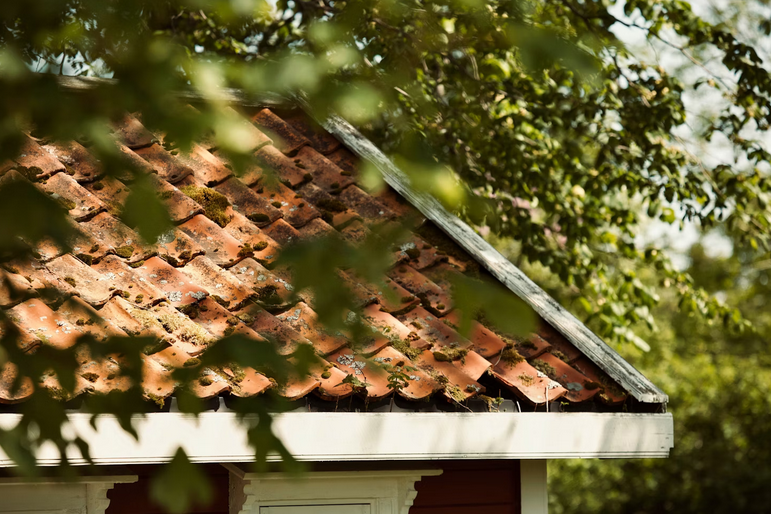
Debris, such as leaves, branches, and dirt, can collect on your roof and in your gutters, especially after a storm. If left unchecked, this debris can trap water and cause roof damage. For gutters, clogged systems can lead to water backing up under your shingles or causing leaks inside your home.

To prepare your roof for extreme weather, ensure your gutters are clear and debris-free. You can use a garden hose or a gutter scoop to remove any buildup. Consider installing gutter guards if trees are near your home to prevent future blockages. It’s also essential to clear any large branches or limbs that are hanging over your roof. These branches can break off and cause significant damage in strong winds or storms. Trim back any trees near your roofline to reduce the risk of falling debris.

Check for Loose or Missing Shingles

Your shingles are your roof’s first defense against wind, rain, and snow. If you notice any loose or missing shingles, it’s crucial to replace them before the weather turns severe. Missing shingles can create gaps in your roof that allow water to seep in, leading to leaks and potential water damage. Check your roof for any visible damage, such as curled or cracked shingles. A roofing contractor can also inspect the integrity of the shingles and help replace any that are past their prime. If your roof is more than 15-20 years old, consider a full replacement, especially if it has experienced significant damage in the past.
dirt

Reinforce Roof Flashing and Seals

Flashing is the material used around areas like chimneys, skylights, and vents to create …
house
Home

Cool Roofing: Reflective Materials to Reduce Energy Costs

In this energy-conscious era, finding ways to reduce energy costs while staying comfortable is a top priority for many homeowners and building owners. One effective solution that is gaining popularity is the use of reflective materials in roofing systems. Roofing skills, as a side note, are also a must in installing these materials. As innovative materials, reflective roofing materials not only help keep buildings cooler but also lower energy usage and promote a more sustainable future. So, if you’re looking for ways to cut down your energy bills and make your home or building more environmentally friendly, read on to discover the exciting world of cool roofing options.

Single-Ply Membranes

Single-ply membranes are a popular choice for cool roofing due to their durability and reflective properties. These membranes, typically made from synthetic materials like PVC or TPO, offer excellent resistance against UV rays and can reflect sunlight away from the building. The best thing about single-ply membranes is their ease of installation. But most importantly, not only do single-ply membranes help keep buildings cooler by reflecting heat away, but they also provide effective insulation during colder months. This thermal efficiency helps maintain a comfortable indoor temperature while reducing reliance on heating and cooling systems.

Modified Bitumen Sheets

Moving on to the next option, we’ve got modified bitumen sheets. These sheets are made of a combination of asphalt and rubber modifiers, resulting in a flexible and durable material. Thanks to their reflective properties, the surface is designed to reflect sunlight, reducing heat absorption and keeping your building cooler. This can significantly reduce energy costs by decreasing the need for air conditioning.

In addition to their reflective qualities, modified bitumen sheets also provide excellent waterproofing capabilities. They create a strong barrier against water penetration, preventing leaks and damage to the underlying structure. In fact, with proper installation and regular maintenance, they can last more than 20 years, providing long-term protection for your building.

house

Reflective Shingles, Tiles, and Slates

These materials are designed to reflect sunlight rather than absorb it, helping to reduce the heat transmitted into your home or building. Reflective shingles are typically made from asphalt and have granules that are coated with special pigments. These pigments reflect more of the sun’s rays, keeping your roof cooler and reducing energy costs. Another option is reflective tiles or slates. These materials can be made from various substances, such as clay or metal. They often have a coating that increases their reflectivity. Not only do these materials help keep your home cool in hot weather, but they also add an attractive aesthetic appeal to your roof.

Green Roofs

When it comes to reducing energy costs and promoting environmental sustainability, green roofs are a top choice. These innovative roofing systems involve the installation of living vegetation on rooftops, providing a range of benefits for both the building and the environment. One major advantage of green roofs is their ability to improve insulation. The layer of vegetation acts as a natural barrier, reducing heat …