
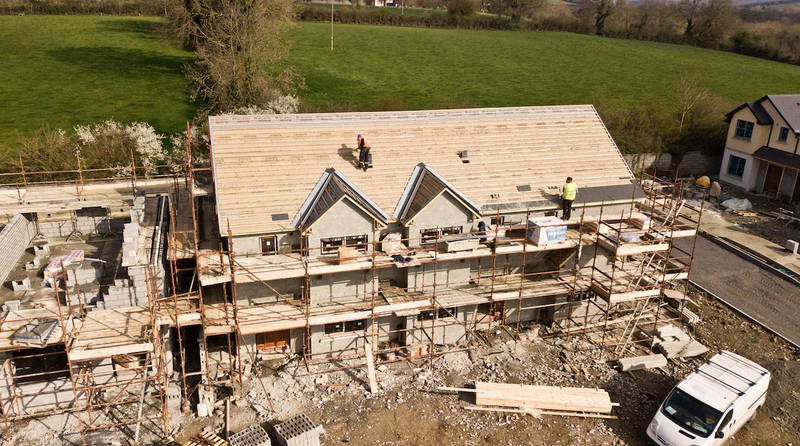
In the ever-evolving world of construction, technology continues to play a pivotal role in shaping the industry. Prefabricated homes, also known as prefab or modular homes, have significantly transformed thanks to technological advancements. These innovative changes have improved the efficiency of prefab construction and enhanced the quality, sustainability, and customization options available to homeowners. Abendzeitung München highlights the benefits of utilizing technology in prefab construction, stating that it streamlines the building process and reduces costs while maintaining high-quality standards. In this report, we’ll delve into the exciting technological innovations that are reshaping the prefabricated housing industry.
Advanced Design Software

Before the construction process even begins, cutting-edge design software has revolutionized how prefab homes are planned and visualized. Architects and designers can use 3D modeling and virtual reality to create highly detailed and accurate designs. This technology allows clients to explore and change their home’s design in a virtual environment, ensuring that the final product aligns perfectly with their vision.
CNC Precision Manufacturing
Computer Numerical Control (CNC) machines have become integral in the fabrication of prefab homes. These machines precisely cut and shape materials to exact specifications, reducing waste and improving construction accuracy. CNC technology ensures that every component of a prefab home is engineered with unparalleled precision.
Sustainable Materials and 3D Printing
Prefabricated homes often prioritize sustainability, and technology plays a key role in achieving eco-friendly construction. 3D printing has emerged as a game-changer in this regard. It allows for the creation of building components using recycled materials or eco-friendly substances. Additionally, 3D printing can optimize shapes and structures for maximum energy efficiency and sustainability.
Energy Efficiency and Smart Home Integration
 Modern prefab homes are equipped with energy-efficient technologies that significantly reduce energy consumption. Smart home systems, which can be seamlessly integrated into prefab designs, allow homeowners to control heating, lighting, security, and more through their smartphones or voice commands. These systems enhance convenience and energy savings. Furthermore, energy-efficient insulation materials and windows are also being incorporated into prefab homes to reduce their environmental impact.
Off-Site Construction and Automation
Off-site construction, the hallmark of prefab homes, is becoming even more automated. Robots and automation technology streamline the assembly process, reducing labor costs and construction times. The controlled environment of a factory setting allows for consistent quality and efficiency in construction. This technology also minimizes the risk of human error, ensuring that every prefab home meets the highest standards.
Sustainable Transportation and Assembly
The transportation of prefab modules has also benefited from technological innovations. Specialized vehicles and equipment make the process more efficient and eco-friendly. On-site assembly can be quicker and more accurate thanks to technology, ensuring that the home’s components fit together seamlessly.
The Future of Prefabricated Homes
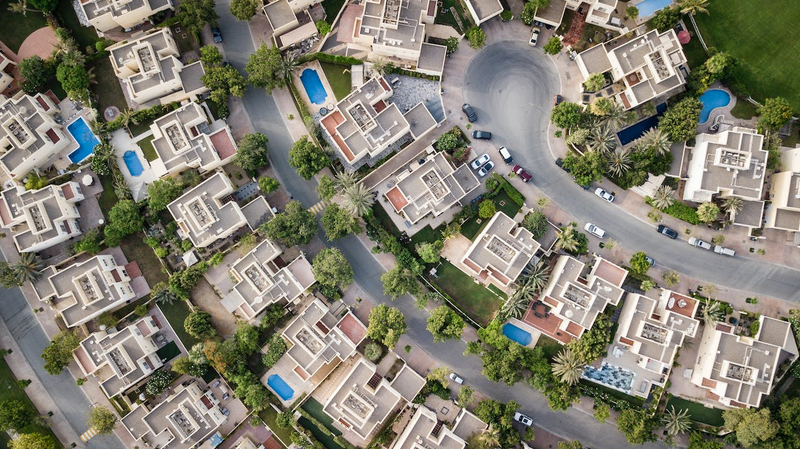
The integration of technology into the prefab housing industry is driving innovation, sustainability, and customization. These technological advancements have allowed prefab homes to move beyond the limitations of the past, offering homeowners a range of benefits that were once associated primarily with traditional construction. As technology continues to evolve, we …