
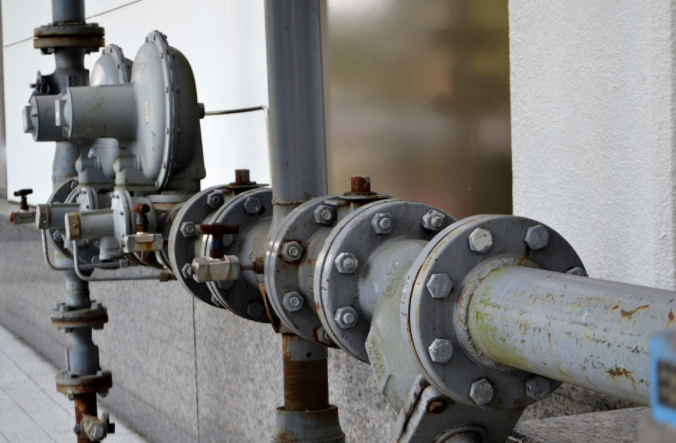
We all know what it feels like to have hard water in the house and its marks. These annoying problems can be solved with an excellent device. It’s called a ‘water softener.’ There are two kinds of the water softener. They are salt-free and salt-based water softeners. Learn more about salt-free vs salt-based water softening here. But, how does exactly installing a water softener work for your home? Here are some things to know about water softeners.
Risks of Having Hard Water and Its Solution
Scientifically, hard water is water that contains a significant amount of dissolved minerals. The water flows through limestone deposits, soil, and rocks and absorbs the minerals in the process. The degree of hardness depends on how long it takes to pass through the ground before reaching the tap. This makes it difficult to get water in certain regions. Although these minerals are not harmful to the body, they can lead to insoluble mineral deposits that make the water inaccessible and unfit for its intended use.
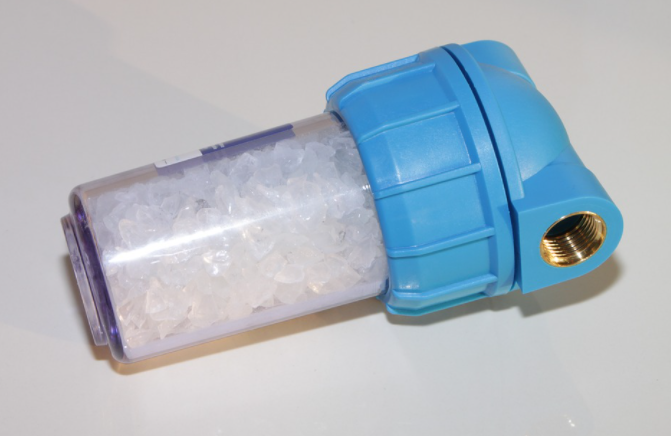
A water softener is the best way to remove hard water. The ion exchange process softens water when hardness ions, such as calcium and magnesium, are trapped in tiny resin beads. The resin beads can be loaded with sodium or potassium ions. When hard water comes in contact with the resin beads, the calcium or magnesium is removed and replaced by sodium/potassium. This creates soft water.
How Water Softeners Work
 Our understanding of how water softeners work is not entirely correct. Contrary to popular belief, it is the resin beads that soften the water. Salt is still essential for water softening. The tank is filled with water. Here, the resin beads exchange calcium, magnesium, and potassium for sodium and potassium. Like a sponge, the bead absorbs the hardness components of the water. This process is called ion exchange and results in soft water. When the resin beads have reached their maximum capacity to absorb calcium or magnesium, it is time to refill them (by regeneration).
The resin beads are washed with brine, a highly concentrated salt solution. The brine pushes the calcium and magnesium ions out of the reservoir to separate them and exchange sodium and potassium. Once the resin beads have been thoroughly cleaned, the salt is removed from the softener with fresh water. The water should then be flushed down the drain or into a bathtub with standing water. Once the sodium ions have been absorbed, the beads can absorb calcium and magnesium again.
Benefits of Installing a Water Softener
These are the main benefits of water softeners. Water softeners can remove limescale deposits in your home’s pipes, water-using appliances, and surfaces such as showers and bathtubs. They do not need to be replaced once they are affected by hard water. They also prevent further limescale buildup. Water softeners are used to remove limescale from the heating system. This prevents it from accumulating again.
Soft water can also be beneficial to hair and skin. Customers report that their …


 However, some people believe they can follow do-it-yourself instructions to solve plumbing problems. They seem unaware that opting for an inexpensive repair can create the risk of further issues that could further damage their entire plumbing system. Thus, it is advisable to outsource hydraulic work to qualified contractors capable of doing hydraulic work.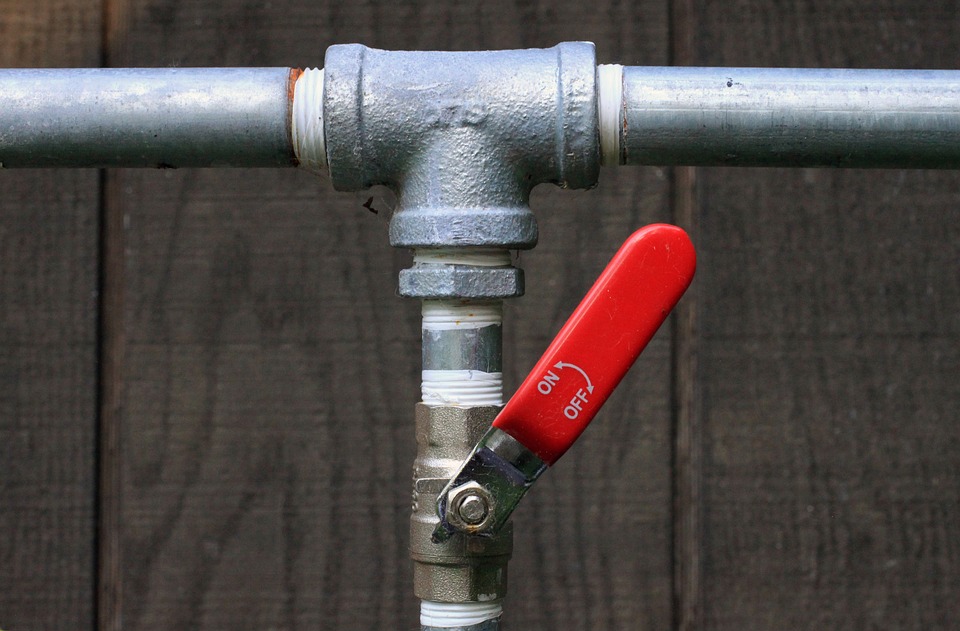
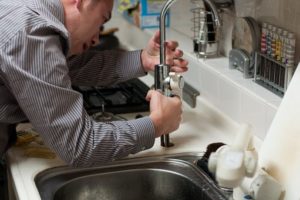 Every professional plumber ought to be certified and licensed. That is proof that he or she is knowledgeable in his or her line of work. Therefore, the plumber should have gone through proper training, education, and met requirements for certification and licensing. If your proper does not have the right state licensing to offer plumbing repair and service, chances of being hired are minimal as a lot of people want to avoid contracting a person who is not qualified.
 As experience matters, a plumber ought to be knowledgeable to offer competent plumbing advice and services. You should note that a lot of homes and buildings have faulty plumbing systems because of the incompetence of plumbers. A professional plumber will assess and finish the job quickly without compromising quality. Also, he or she will give you suggestions regarding the best options for your plumbing system.