
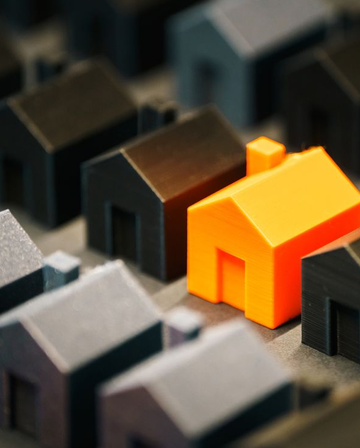
Tag: housing

Home

Why the Real Estate Industry Is Moving Toward a New Era of Housing

For many years, buying a home was mainly about location, size, and basic functionality. Today, the conversation around real estate has become much broader. People are asking how properties can support their daily routines, improve comfort, reduce costs, and remain useful as their needs change. The real estate industry is responding to this shift by moving toward a new approach to housing. Developers are no longer focused only on building attractive properties. They are creating spaces that reflect changing lifestyles, technological progress, and the growing demand for homes that offer long-term value.

Homes Are Becoming More Connected to Everyday Life

A major change in residential real estate is the way people view their homes. A property is no longer simply a place to live; it has become a space where people work, relax, entertain, and manage many parts of their daily lives. Modern housing concepts are increasingly influenced by the need for convenience and adaptability. Ideas surrounding open living areas, practical layouts, and multifunctional spaces are shaping expectations for future properties. These changes are encouraging developers to create homes that feel more connected to the people who use them.

Changing Lifestyles Are Influencing Property Development
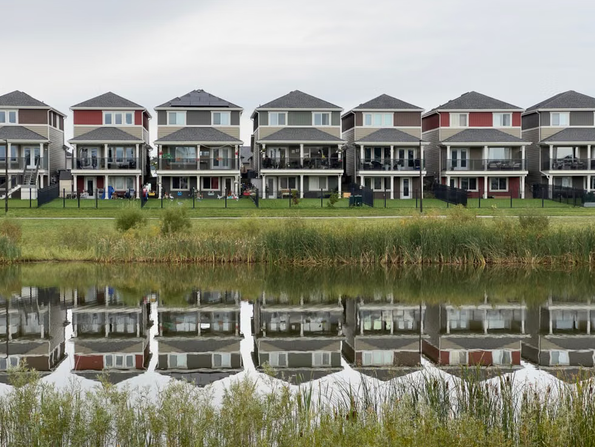
houses by the water

The way people live has a direct impact on how homes are designed. Families, professionals, and individuals now have different expectations compared to previous generations, which is pushing the industry to rethink traditional housing models. A growing interest in adaptable living environments can be seen in resources such as ok-magazin.de/lifestyle/homeoffice-offene-kueche-co-so-sieht-das-perfekte-familienhaus-heute-aus-114086.html, where modern approaches to residential spaces reflect the changing relationship between people and their homes. These shifts are encouraging developers to consider how properties can remain useful as lifestyles continue to evolve.

Future Properties Will Focus on Greater Adaptability

One of the biggest changes in real estate is the movement away from fixed designs. Homes built for the future will need to accommodate different situations rather than serve only one purpose. Adaptable properties may include areas that can easily change function, allowing residents to adjust their homes without major renovations. This approach can make properties more attractive because they offer flexibility for different stages of life and changing personal requirements.

Technology Is Changing What Buyers Expect From Homes

Technology has become an important part of modern property development. Buyers are increasingly interested in homes that offer better efficiency, security, and convenience through connected systems. Smart controls, automated features, and improved energy management are becoming more common in residential projects. As technology continues to develop, future homes are expected to become more responsive and personalized, creating a stronger connection between residents and their living environments.

Sustainable Construction Is Becoming a Long-Term Priority
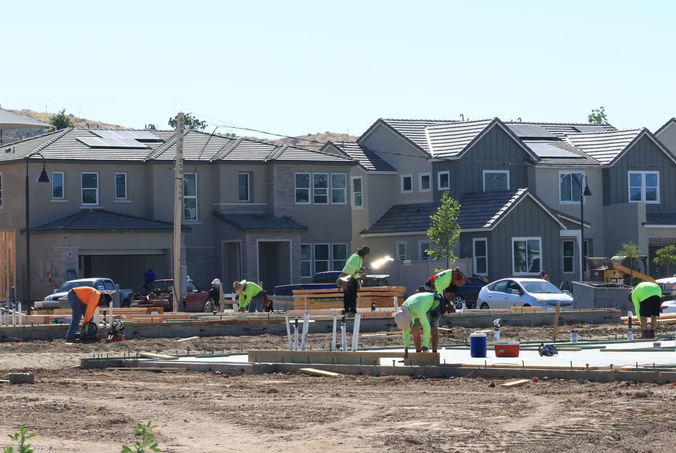
property construction

Sustainability is no longer a secondary consideration in real estate. Environmental concerns, energy costs, and changing regulations are encouraging developers to create more responsible housing solutions. Future residential projects are expected to place greater emphasis on efficient materials, renewable energy options, and designs that reduce waste. Sustainable construction is becoming a key factor in creating properties that remain valuable and practical over time.…
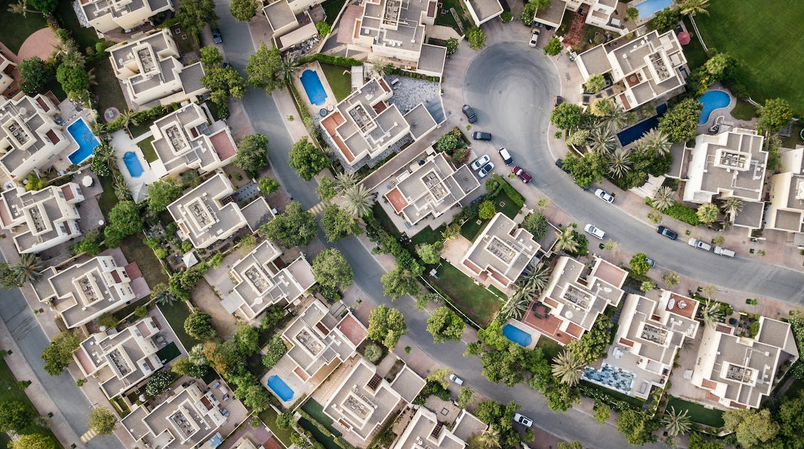

housing
Home

Semi-Detached Houses: Things to Know Before You Buy

Semi-detached houses, often referred to as “half-duplexes,” present a unique housing option that falls between single-family homes and condominium living. While they offer a middle ground, potential buyers should be aware of the distinctive characteristics and considerations that come with semi-detached living. In this comprehensive guide, we delve into the key aspects to know before deciding to invest in a semi-detached house.

The Concept of Semi-Detached Living

The Concept of Semi-Detached Living

Semi-detached houses are characterized by two separate dwelling units that share a common wall. Each unit typically has its own entrance and private outdoor space and may even have its own driveway. This arrangement provides a balance between the privacy of a single-family home and the shared responsibilities of a condominium, making semi-detached living an appealing option for a diverse range of homebuyers. Visit Bau-Welt to learn more about the concept of semi-detached homes.

Privacy Considerations

While semi-detached houses offer more privacy compared to condominiums, they still involve sharing a structural wall with a neighboring property. Potential buyers should carefully consider their comfort level with this shared boundary. Noise transmission, both from within and outside the home, can be a factor. Adequate insulation measures and soundproofing can mitigate these concerns, but it’s crucial to be realistic about the potential for shared sounds between units.

Shared Responsibilities and Costs

Semi-detached living often involves shared responsibilities and costs with the neighboring unit. Common elements, such as the roof, exterior walls, and possibly even landscaping, may be shared. Homeowners should be prepared to participate in discussions and decisions regarding shared maintenance and repairs. This shared responsibility can foster a sense of community but requires effective communication and cooperation with the neighboring homeowners.

Architectural Flexibility and Design Options

Architectural Flexibility and Design Options

Semi-detached houses come in a variety of architectural styles, offering buyers a range of design options. From traditional to modern, semi-detached homes can cater to diverse aesthetic preferences. However, it’s important to note that architectural changes or significant renovations may be subject to approval from both homeowners, considering the shared nature of certain elements. Before purchasing, ensure that the architectural guidelines align with your vision for the property.

Land Ownership and Outdoor Space

In many cases, semi-detached houses are built on lots where the land is shared between the two units. While each homeowner typically has their own designated outdoor space, it’s essential to clarify the extent of land ownership and usage rights. Some semi-detached properties may have a common backyard area, while others may have separate yards for each unit. Clearly defining these boundaries ensures a harmonious living arrangement and minimizes potential conflicts.

Resale Value and Market Trends

Understanding the resale value of a semi-detached house is crucial for long-term investment considerations. Semi-detached properties can appeal to a wide range of buyers, including families, first-time homebuyers, and downsizers. Research local market trends and assess how semi-detached homes perform in terms of appreciation and demand. Factors such as location, amenities, and overall market conditions will influence the resale value of a semi-detached property.

In conclusion, semi-detached houses offer a …