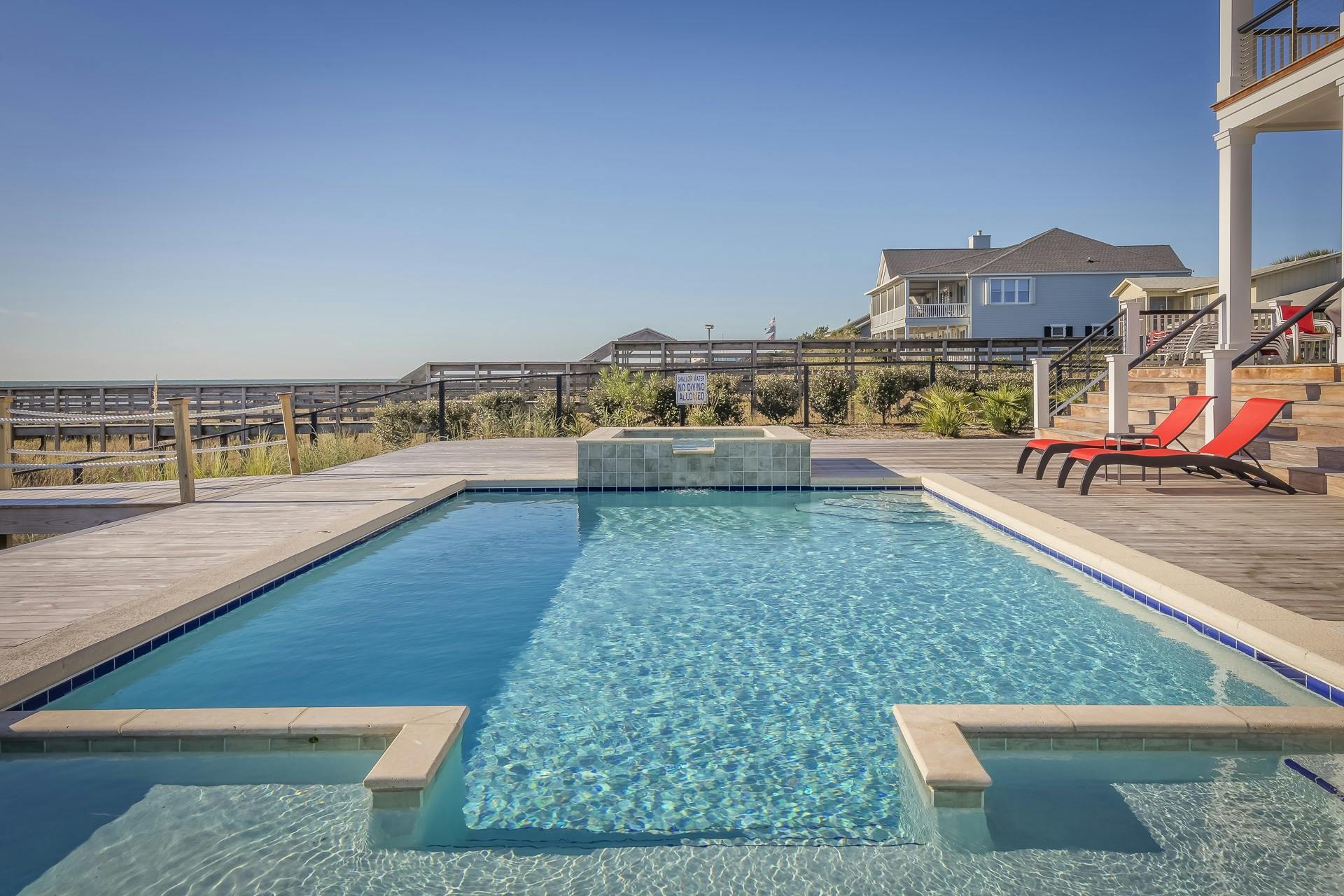
Keeping your pool or spa covered is one of the simplest and most effective ways to save energy while maintaining a comfortable water temperature year-round. Many homeowners overlook the heat escaping from uncovered surfaces, yet it leads to higher utility bills and increased wear on heating systems. Experts often recommend comparing hard covers and soft covers for energy efficiency, especially if you have a hot tub. This way, you can understand which option best preserves heat and reduces evaporation in different climates. By choosing the right type of cover and using it consistently, you can significantly cut energy costs and extend the lifespan of your equipment. Here is a deeper look at why proper covering makes such a meaningful difference.
Covers Reduce Heat Loss
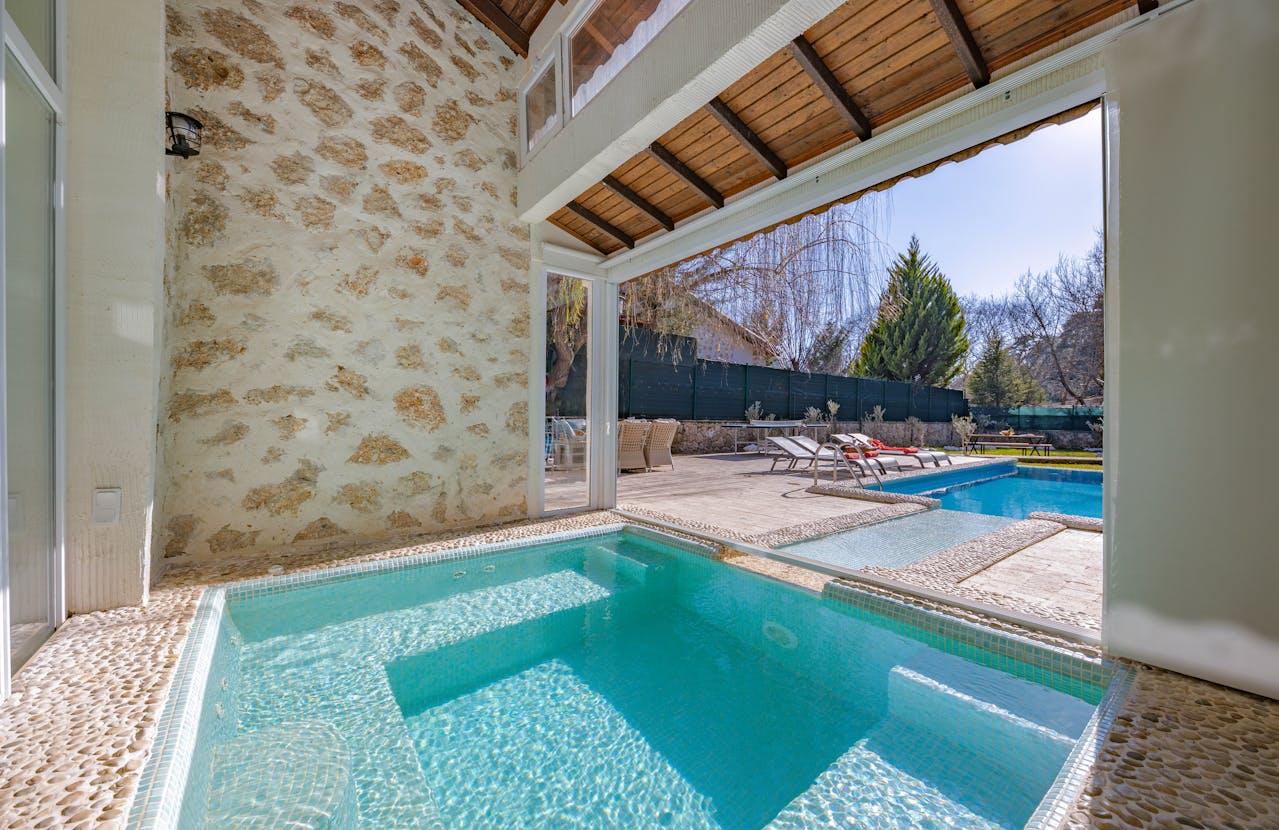 Heat loss is the biggest culprit behind rising energy use in pools and spas, and most of that loss happens through the surface. When warm water meets cooler air, heat escapes constantly, even when you’re not using the space. A cover acts as a barrier that traps warmth and slows down this natural exchange, making it easier for your heater to maintain a steady temperature. This small adjustment can reduce the hours your system runs every week, which adds up to meaningful energy savings.
Beyond temperature control, a cover prevents nighttime cooling, which is often when the largest temperature drops occur. Without a barrier, the heater must work overtime every morning to restore comfort levels. By keeping the water insulated, you maintain a consistent environment that stays ready whenever you want to relax. The reduced strain on equipment also contributes to longer system lifespan, saving you money over the long haul.
Covers Prevent Evaporation
Evaporation is another major source of energy waste because it forces your system to replace both lost water and lost heat. Every inch of water that evaporates also pulls heat from the pool or spa, creating a constant cycle of reheating. A cover dramatically slows this process, keeping more water where it belongs and reducing the extra workload placed on your heater. Slowing evaporation also helps stabilize chemical levels. When water disappears, chemicals become unbalanced, forcing you to adjust them more often. It increases maintenance time and costs. Using a cover minimizes those fluctuations, keeping the water clear, steady, and easier to manage. With fewer refills and fewer chemical corrections, the overall operating cost of your pool or spa drops noticeably.
Covers Protect Equipment and Reduce Debris
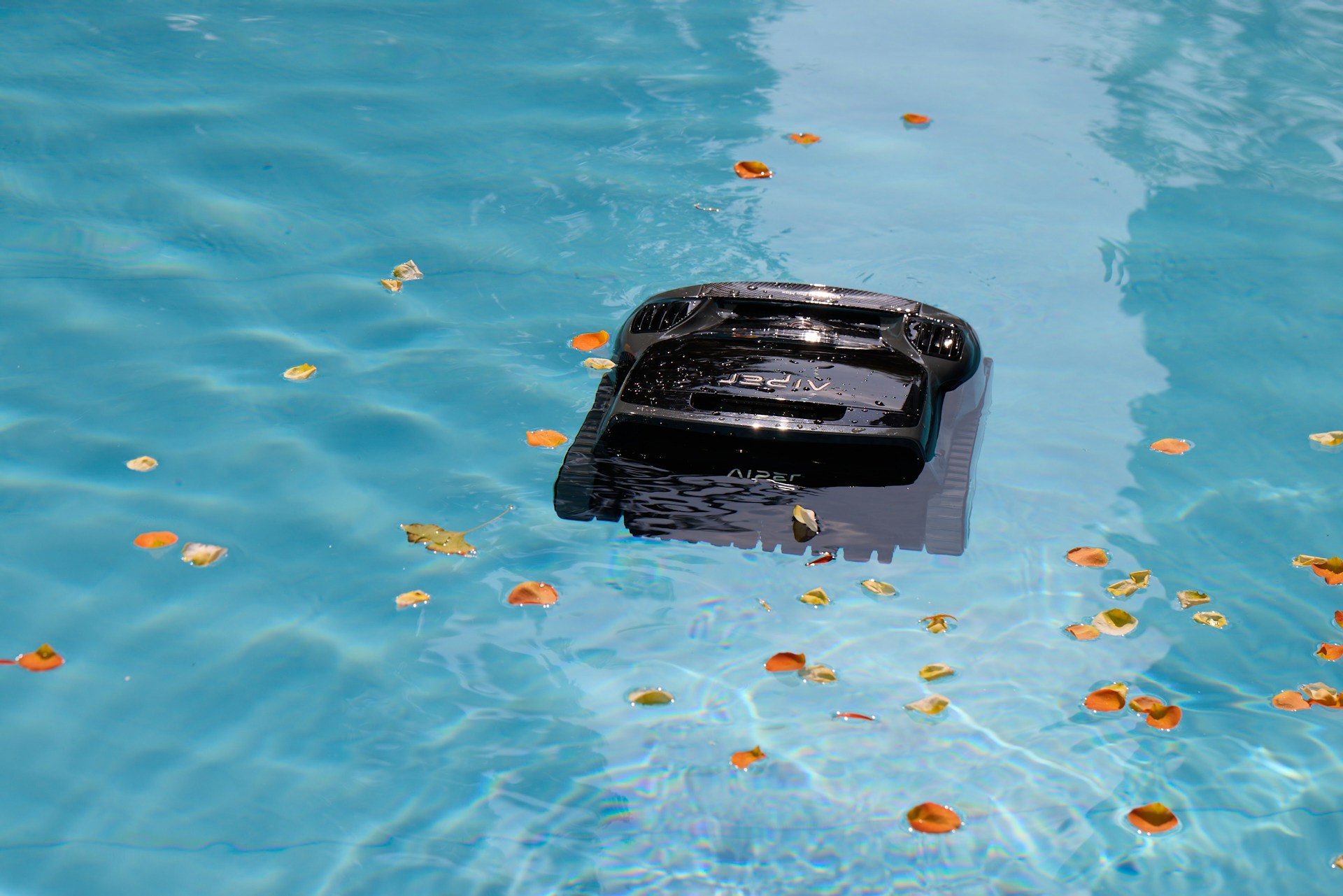
While energy efficiency is the main benefit, keeping your pool or spa covered also reduces debris buildup. Leaves, dirt, insects, and pollen can lower water quality, which leads to more filtration time and increased pump usage. A cover keeps most of that mess out, allowing your system to run in shorter cycles and still maintain clean water. Reduced pump operation directly supports energy savings while lowering wear on the equipment. Keeping debris out also helps prevent clogs and unnecessary strain. When your filtration system isn’t constantly fighting outside contaminants, it works more efficiently and experiences less stress. This extends its lifespan while ensuring smoother performance throughout the year. A cleaner pool or spa also means you spend less time skimming and more time enjoying your space.
Covering your pool or spa plays a major role in cutting energy consumption, reducing heat loss, and preventing evaporation. It keeps your system running with less strain while also protecting water quality and reducing maintenance. A simple cover can deliver long-term savings, elevate comfort, and protect your equipment in ways that quickly justify the small effort involved. By choosing a high-quality cover and using it consistently, you help your pool or spa stay warm, efficient, and ready for use without unnecessary energy waste.