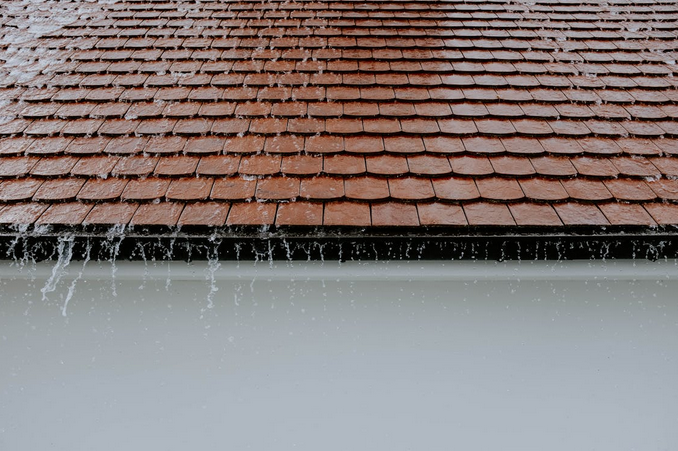
As the saying goes, “An ounce of prevention is worth a pound of cure,” when it comes to your home, this couldn’t be more true—especially for that often-overlooked guardian above your head: your roof. With extreme weather events becoming increasingly common, from fierce storms to unexpected heat waves, ensuring that your roof is prepared can save you headaches (and money) down the line. Whether you’re a seasoned homeowner or new to the game, our essential tips will help fortify your roof against whatever Mother Nature has in store.
Schedule a Professional Roof Inspection
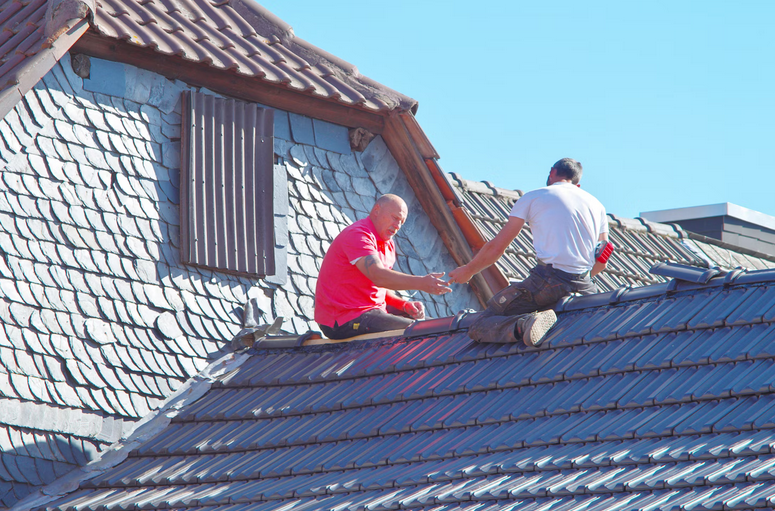
Before bad weather hits, scheduling a roof inspection with a professional is the best place to start. A roofing expert can assess the overall condition of your roof and identify any weak spots, damage, or wear and tear that could worsen in extreme weather. Sources like the acculynx website offer more details on businesses that provide professional roofing inspections.
They’ll check for missing shingles, cracked tiles, damaged flashing, and signs of leaks. If your roof is older or has suffered from previous storms, it’s essential to inspect it. A minor issue can become a big problem when the next storm occurs. By catching problems early, you can make necessary repairs before they get worse. This will keep your roof secure and ensure it has the strength to withstand harsh weather conditions.
Clear Debris From the Roof and Gutters
Debris, such as leaves, branches, and dirt, can collect on your roof and in your gutters, especially after a storm. If left unchecked, this debris can trap water and cause roof damage. For gutters, clogged systems can lead to water backing up under your shingles or causing leaks inside your home.
To prepare your roof for extreme weather, ensure your gutters are clear and debris-free. You can use a garden hose or a gutter scoop to remove any buildup. Consider installing gutter guards if trees are near your home to prevent future blockages. It’s also essential to clear any large branches or limbs that are hanging over your roof. These branches can break off and cause significant damage in strong winds or storms. Trim back any trees near your roofline to reduce the risk of falling debris.
Check for Loose or Missing Shingles
Your shingles are your roof’s first defense against wind, rain, and snow. If you notice any loose or missing shingles, it’s crucial to replace them before the weather turns severe. Missing shingles can create gaps in your roof that allow water to seep in, leading to leaks and potential water damage. Check your roof for any visible damage, such as curled or cracked shingles. A roofing contractor can also inspect the integrity of the shingles and help replace any that are past their prime. If your roof is more than 15-20 years old, consider a full replacement, especially if it has experienced significant damage in the past.
Reinforce Roof Flashing and Seals
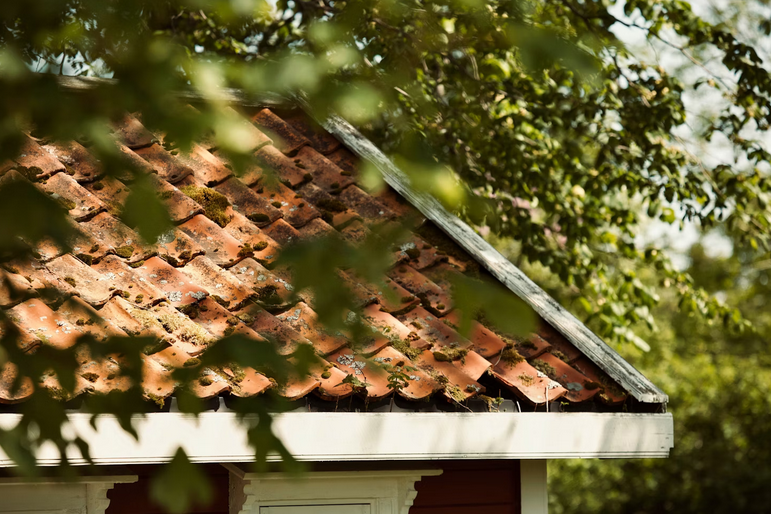
Flashing is the material used around areas like chimneys, skylights, and vents to create a water-tight seal. Over time, flashing can become damaged or corroded, which could lead to leaks during a storm. Make sure all flashing around vulnerable areas is intact and properly sealed. You can inspect the flashing yourself by looking for any visible gaps or rust. However, it’s best to have a professional check the seals to ensure everything is secure. They can replace or re-seal any flashing to keep water from penetrating your roof if needed.
Ensure Proper Insulation and Ventilation
Good insulation and ventilation are vital to maintaining the health of your roof during extreme weather. Poor attic ventilation can lead to condensation buildup, which can eventually cause mold and rot. In winter, it can also cause ice dams, which form when warm air escapes from the attic and melts snow on the roof. As the water refreezes, it can back up under shingles and cause damage. Make sure your attic is well-insulated and ventilated to prevent these problems. Adding extra insulation or improving airflow can reduce the risk of moisture buildup and ensure your roof can handle extreme cold.
Consider Impact-Resistant Materials
 Invest in impact-resistant roofing materials if you live in an area prone to hail or high winds. For example, impact-resistant shingles are designed to withstand hail and high winds, reducing the chances of damage during severe storms. While impact-resistant materials can be more expensive upfront, they offer long-term protection and can help prevent costly repairs down the road. If you’re building a new home or replacing your roof, consider discussing these materials with your contractor to see if they fit your needs.
Preparing your roof for extreme weather conditions doesn’t have to be a daunting task. By taking a few simple steps, like scheduling an inspection, clearing debris, reinforcing seals, and ensuring proper insulation, you can protect your home and avoid costly damage in the long run. Remember, the best way to handle extreme weather is to be proactive—so don’t wait until a storm is on the horizon to take action.